I built a productivity blog with AI and earned $500/month in 6 months—here's exactly how.
Today, blogs about productivity are more popular than ever, offering real potential for passive income and side hustles. Many beginners are turning their passion for productivity into profitable online businesses.
In this guide, you will discover 9 brilliant blogs about productivity, plus step-by-step strategies to launch your own successful blog in 2026. We will explore in-demand niches, essential tools, launch tips, monetization methods, realistic income expectations, common mistakes, and a beginner-friendly tech stack.
Starting a blog in 2026 is more lucrative than ever, especially for beginners eyeing passive income. If you have considered launching blogs about productivity, you are not alone. The demand for fresh perspectives and actionable tips keeps growing, and several key trends are fueling this surge.
Remote work has become the norm for millions. Since the pandemic, more companies offer flexible setups, and digital nomadism is on the rise. According to Gallup, 58% of employees now have remote work options. This shift means more people are searching for blogs about productivity, hoping to master their workflow and balance life outside a traditional office.
Remote professionals seek strategies for time management, virtual collaboration, and staying focused without a manager nearby. Productivity blogs fill this gap by delivering practical solutions and relatable stories.
Blogging is now a top choice for side hustlers, thanks to its low barrier to entry and high earning potential. Many new bloggers make $200 to $500 per month within their first year, especially in evergreen niches. The appeal of blogs about productivity comes from their universal relevance—everyone wants to work smarter.
AI-powered tools have made it easier to automate tasks and earn passive income. For step-by-step advice on using AI to boost your blogging revenue, check out Passive AI Income Tools.
Readers today crave short, actionable tips they can apply instantly. Social media platforms are buzzing with “life hack” videos, workflow optimization reels, and quick guides. Blogs about productivity that deliver bite-sized, practical advice see higher engagement and shares.
Content that focuses on hacks, checklists, and real-life experiments stands out. If you can make your posts easy to skim and actionable, you meet your audience where they are.
AI is revolutionizing the blogging landscape. Tools like CustomGPT and Murf AI help creators produce quality content, podcasts, and videos at lightning speed. This tech empowers even solo bloggers to publish more frequently and in multiple formats.
Blogs about productivity that leverage AI can scale faster, reach wider audiences, and stay ahead of content trends. Automation means more time for strategy and less on repetitive tasks.
Search interest for “best productivity blogs” has exploded, with over 10,000 monthly queries. Blogs about productivity have strong affiliate potential, especially when reviewing software or tools. SEO-savvy bloggers use keyword research to attract consistent traffic and monetize through ads and partnerships.
A focus on search intent, user-friendly design, and helpful guides makes these blogs a go-to resource for anyone wanting to boost their efficiency.
The landscape for blogs about productivity is evolving fast, and 2026 is shaping up to be a breakout year for new niches. Whether you want to maximize your own workflow or help others do the same, picking the right focus is crucial. Here’s a breakdown of the hottest areas for blogs about productivity, each with unique opportunities for income and growth.
Automation is now at the heart of many blogs about productivity. Readers want to save time and streamline repetitive tasks. Content that covers AI tools, workflow automation, and real-world case studies is in high demand. Solopreneurs and creators look for guides on automating emails, content scheduling, and project management. This niche offers strong affiliate potential, especially when you review or compare new AI solutions.
Classic topics like Pomodoro, time blocking, and deep work continue to draw traffic to blogs about productivity. Students, freelancers, and busy professionals all need actionable strategies to stay focused. Posts that break down proven methods, share daily routines, or offer printable templates perform well. This niche is evergreen, so your content will stay relevant for years.
Remote work is more than a trend—it’s now a lifestyle for millions. Blogs about productivity in this space focus on managing distributed teams, running virtual meetings, and achieving work-life balance. Readers want tips on using digital collaboration tools and maintaining productivity outside the office. This area is perfect for sharing real experiences and practical tool reviews.
Content creators crave workflow hacks that help them do more with less. Blogs about productivity for creators often cover batching content, repurposing material, and managing editorial calendars. If you love systems and organization, this is a rewarding niche. Readers appreciate step-by-step guides that show how to publish efficiently on multiple platforms.
Overwhelm is a huge challenge for many. That’s why blogs about productivity focused on minimalism and digital declutter are on the rise. Topics include simplifying your tech stack, achieving inbox zero, and mindful use of devices. This niche appeals to professionals and anyone seeking to cut digital noise. Minimalist design and calming visuals work especially well here.
Entrepreneurs and side hustlers need practical strategies to balance multiple priorities. Blogs about productivity in this niche focus on scaling projects, time management, and monetization tips. Readers want real examples, honest income reports, and advice on juggling a 9 to 5 job with a profitable blog. This is also a great space to discuss passive income streams.
Tech-savvy readers flock to blogs about productivity that review the latest AI and productivity tools. In-depth comparisons, tutorials, and honest pros and cons help your audience make smart choices. This niche offers high affiliate earnings, especially when you cover trending solutions. For a helpful roundup of top tools, check out Best AI Tools for Bloggers, which features some of the most effective software for new bloggers.
Building successful blogs about productivity in 2026 is easier than ever with the right stack. If you want to save time, boost content quality, and grow your audience faster, here are the exact tools I use. Each plays a unique role in streamlining your workflow and maximizing results.
When running blogs about productivity, speed and consistency are crucial. CustomGPT helps generate blog outlines, draft posts, and brainstorm new topics in minutes.
Here’s how I use it:
Outline 10 posts per week
Draft full articles in under an hour
Generate unique ideas for evergreen content
CustomGPT means you spend less time staring at a blank screen and more time publishing high-value posts.
Turning blogs about productivity into engaging podcasts is a smart way to reach new audiences. Murf AI makes it easy to convert blog posts into audio content.
With Murf AI, you can:
Create natural-sounding voiceovers
Edit audio quickly
Repurpose written content as podcasts
This tool lets you serve readers who prefer listening, helping your blog stand out in the productivity space.
Short videos are essential for promoting blogs about productivity on platforms like TikTok and Instagram. TryHolo creates eye-catching video snippets directly from your blog content.
Benefits include:
Rapid video creation from text
Easy sharing on social media
Increased blog visibility
By using TryHolo, you can turn every post into dynamic, shareable content that attracts new readers.
Organization is key for blogs about productivity. Tools like Notion or Trello help you plan, schedule, and track your content calendar.
For publishing, WordPress and Ghost offer:
User-friendly interfaces
SEO-friendly features
Flexibility for future growth
Combining a planning tool with a reliable blog platform ensures you never miss a deadline.
To grow blogs about productivity, you need to understand what works. Google Analytics and Search Console track your traffic and keywords.
Pair these with SurferSEO or Clearscope to:
Optimize posts for search engines
Analyze keyword opportunities
Improve ranking for competitive topics
Regularly reviewing analytics helps you refine your content and increase your blog’s reach.
Running blogs about productivity doesn’t have to be expensive. Most essential tools cost between $20 and $100 per month.
Here’s a typical breakdown:
Tool | Monthly Cost |
|---|---|
CustomGPT | $30 |
Murf AI | $19 |
TryHolo | $15 |
Hosting | $10 |
SEO Tools | $20 |
With a $100 monthly investment, earning $500 per month is realistic. For a deeper dive into how AI tools can boost your blog's income, check out Monetize Your Blog with AI.
If you want to launch your own side hustle or passive income stream, studying the best blogs about productivity is a must. These blogs about productivity are packed with fresh ideas, real-world experiments, and proven strategies that can help you grow faster. Let’s break down nine standout blogs about productivity, each with its unique approach, audience, and monetization method.
Ali Abdaal’s site stands out among blogs about productivity for its evidence-based, relatable advice. A former doctor, Ali shares deep dives into time management, passive income, and workflow optimization. His blog offers in-depth guides, personal case studies, and integrates seamlessly with his YouTube content.

Students, professionals, and aspiring creators flock here for actionable tips and honest reviews of productivity apps. Monetization comes from courses, affiliate links, and sponsorships. What makes Ali’s blog shine is the high production value and practical frameworks. However, some content can be advanced for total beginners, so start with his basics.
Ali’s transparency about income and workflow makes his blog a top pick for anyone researching blogs about productivity.
Zen Habits is a classic in the world of blogs about productivity. Leo Babauta focuses on mindful productivity, minimalism, and habit formation. The site’s simple design and calming tone help readers escape overwhelm and build lasting routines.
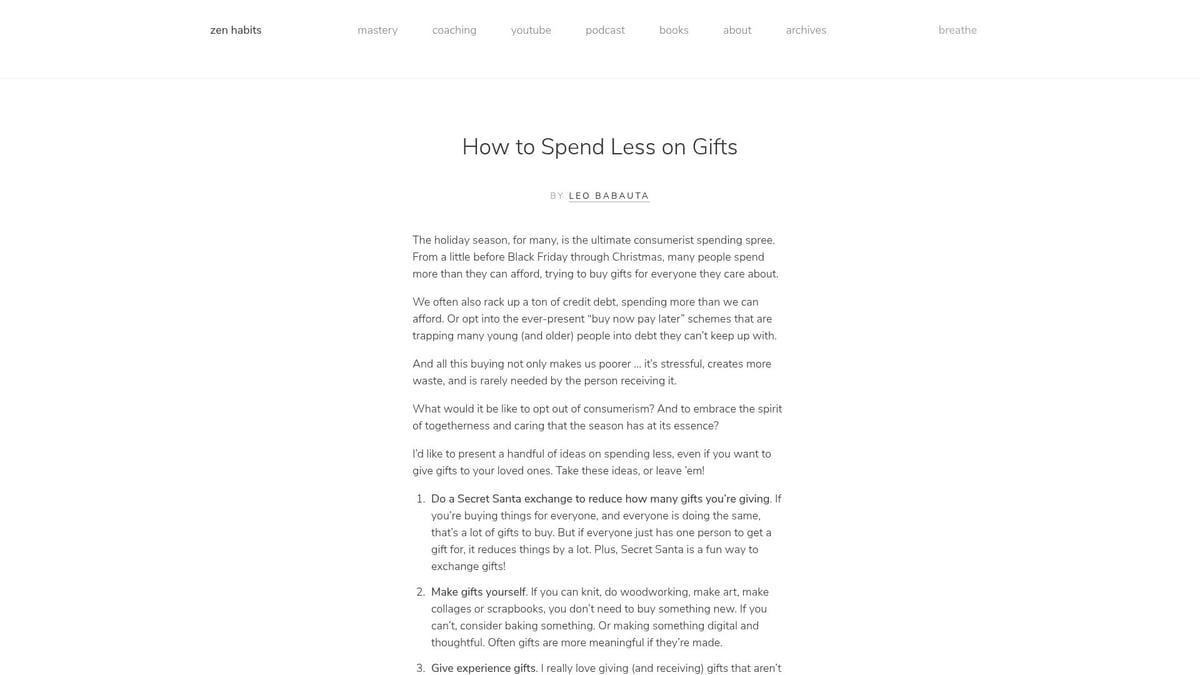
You’ll find practical tips, personal stories, and timeless advice, all aimed at professionals and minimalists craving simplicity. Monetization is subtle, relying on book sales and memberships. The pros? Zen Habits is calming and accessible, with advice that never feels dated.
However, if you’re seeking the latest tech or AI tools, this blog may feel light on that front. For readers who want to slow down and refocus, Zen Habits is a must among blogs about productivity.
AIMoneyTools is one of the freshest blogs about productivity for beginners interested in AI-powered workflows and monetization. The focus is on using AI tools to automate blogging, manage side hustles, and boost passive income.

Features include step-by-step guides, detailed tool reviews, and clear income strategies tailored for non-tech users. Monetization comes from free content with affiliate recommendations. The main advantage is that you don’t need coding skills—just curiosity.
The niche focus on AI can be a con for those wanting broader topics, but if you want up-to-date AI trends and actionable blogging tips, AIMoneyTools is a must-follow among blogs about productivity.
James Clear’s blog is a cornerstone among blogs about productivity, especially for those obsessed with habits and systems. As the author of “Atomic Habits,” James brings research-backed articles and frameworks that make productivity stick.
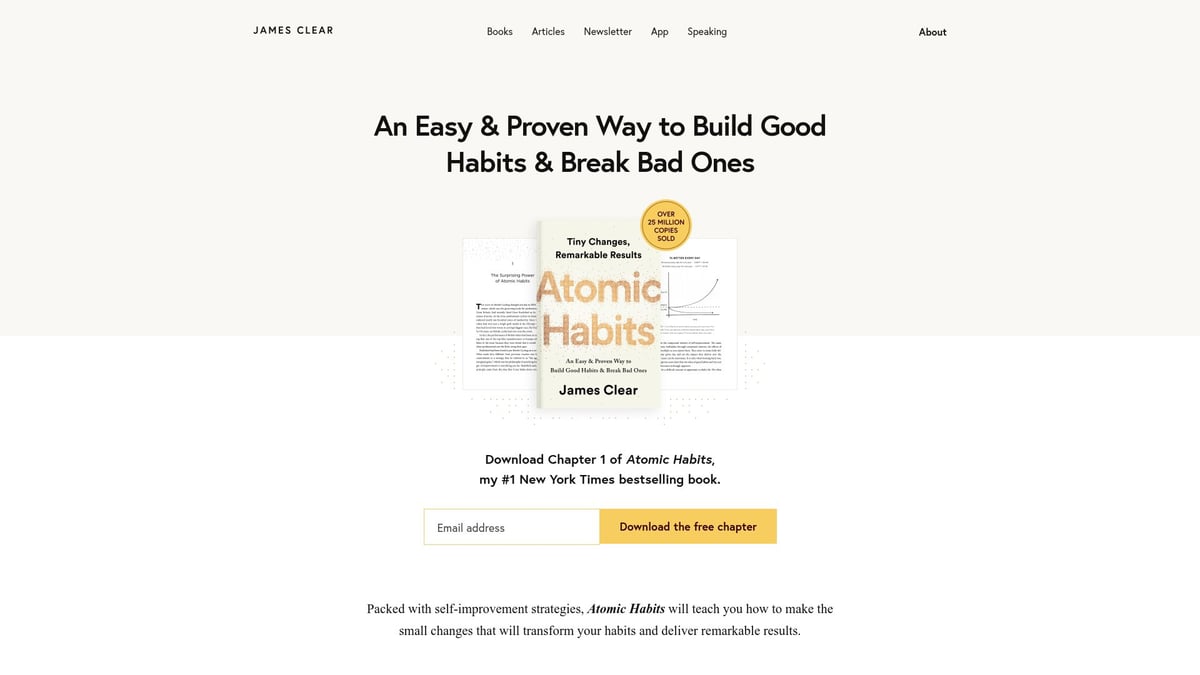
His content covers self-improvement, entrepreneurship, and incremental progress. The blog features a popular newsletter and book, with monetization through book sales and speaking. The pros are clear: science-based, easy-to-understand frameworks that work.
Updates can be less frequent, which is a minor drawback, but the depth and clarity of content make James Clear’s site a must-read for anyone exploring blogs about productivity.
The Productivityist, run by Mike Vardy, is a practical resource among blogs about productivity. The blog focuses on personal productivity systems, time management, and workflow design tailored for entrepreneurs and remote workers.
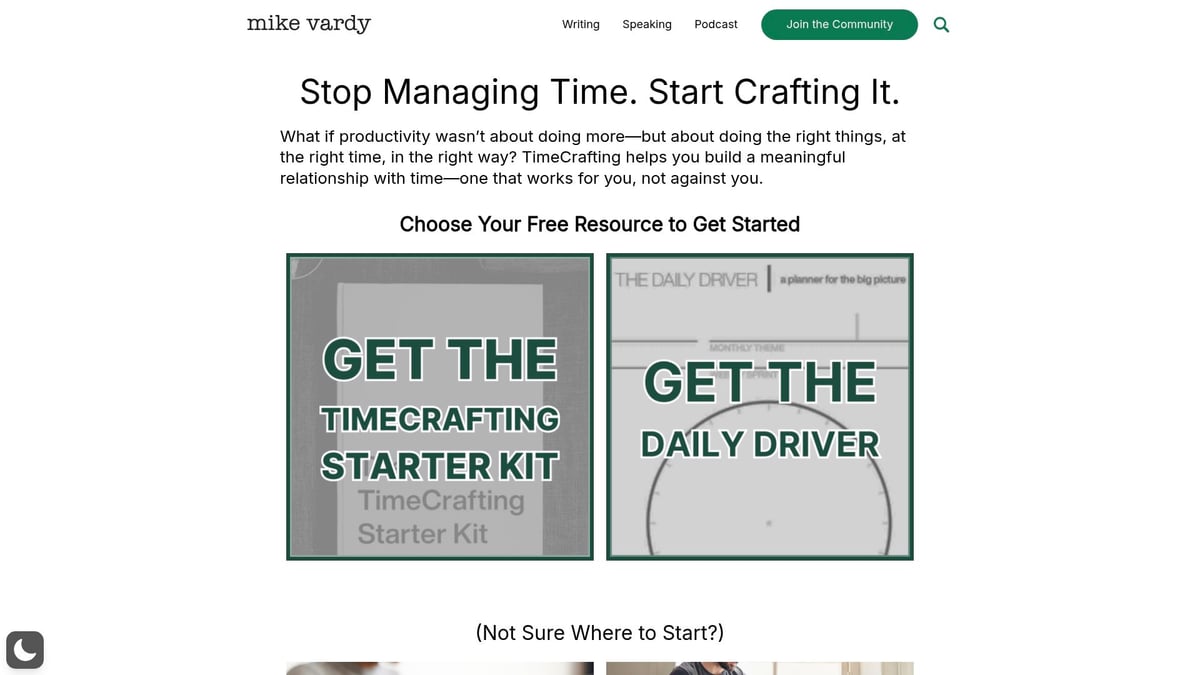
It features a mix of blog posts, podcasts, and interactive workshops. Monetization comes from coaching, courses, and digital products. The main strengths are actionable frameworks and real-world examples.
Some premium content is paywalled, which can be limiting for new readers. Still, The Productivityist stands out in the crowded world of blogs about productivity for its practicality and depth.
Asian Efficiency is a unique voice among blogs about productivity, delivering tips with an Asian perspective. The blog covers automation, time management, and productivity strategies for teams and professionals.

Features include a blog, podcast, and online courses. Monetization relies on memberships and courses, building a strong community. Pros include detailed guides and a collaborative approach.
A downside is that some content is behind a paywall, but the depth and actionable advice make it a valuable resource. For those seeking community-driven blogs about productivity, Asian Efficiency is a top choice.
Cal Newport’s blog is a staple for readers interested in focused work and digital declutter. As the author of “Deep Work” and “Digital Minimalism,” Cal offers essays, podcasts, and book content that challenge the status quo of productivity.

The audience includes academics, creatives, and knowledge workers. Monetization comes mainly from books and speaking engagements. The content is thought-provoking and research-driven.
If you want tactical, step-by-step guides, this blog may feel more philosophical. Still, among blogs about productivity, Cal Newport’s site stands out for its depth and unique perspective.
Matt Ragland’s site is a favorite among blogs about productivity for fans of bullet journaling and analog planning. The focus is on creative workflow, planning, and hands-on productivity systems.
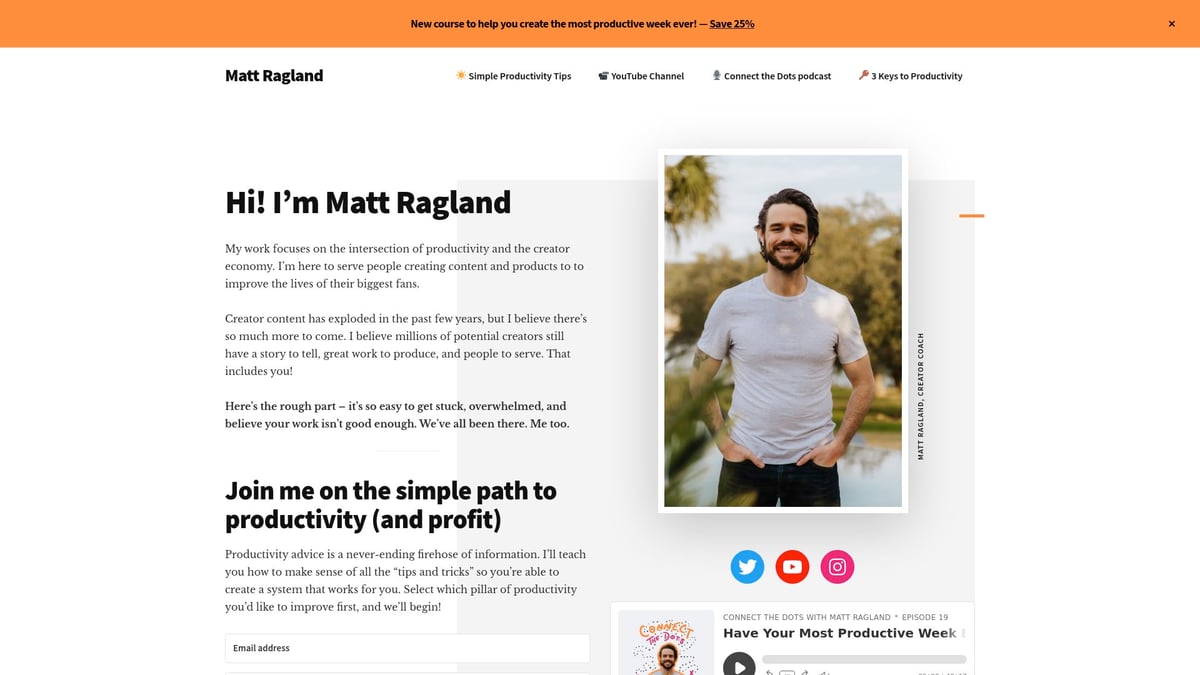
The blog features templates, a YouTube channel, and practical guides for creatives and planners. Monetization includes templates, courses, and affiliate links. The pros are visual, easy-to-follow methods that appeal to analog enthusiasts.
Digital and AI topics are less common here, but for those seeking tactile productivity methods, Matt Ragland’s blog is a standout among blogs about productivity.
Laura Vanderkam’s blog is a go-to for time management and work-life balance, especially for parents and busy professionals. Her approach is data-driven, focusing on time tracking, practical routines, and productivity for families.
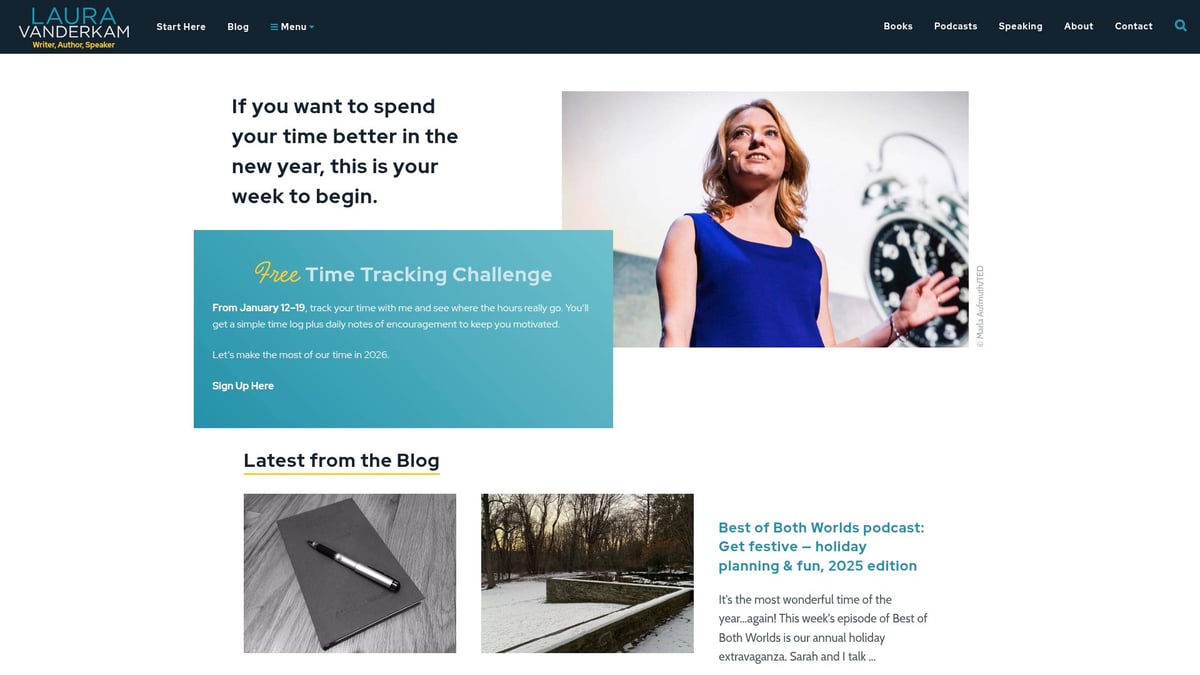
The site offers a blog, podcast, and books, with monetization through speaking, workshops, and book sales. The content is realistic and tailored for real-world constraints.
Tech-heavy solutions are not the focus, but if you want honest, practical advice, Laura’s blog deserves a spot on your list of blogs about productivity.
Starting blogs about productivity can seem overwhelming, but breaking it down into clear steps will help you launch with confidence. Here’s a beginner-friendly roadmap to get your blog off the ground and earning in 2026.
The first step for blogs about productivity is choosing a focused niche. Do you want to cover automation for freelancers, deep work strategies, or AI tools for remote teams?
Write down your ideal reader. Are they busy parents, digital nomads, or side hustlers? Research what struggles they face with productivity. This will help you create content that stands out from other blogs about productivity.
Pick a blogging platform that matches your tech comfort level. WordPress is flexible and popular, while Ghost is clean and fast. Substack is great if you want to focus on newsletters.
Secure your domain name and hosting. Choose a theme that reflects your blog’s style. These basics will give your blogs about productivity a professional look from day one.
Plan your first 10 to 20 pillar posts. Mix in evergreen guides, tool reviews, and personal stories to keep your blogs about productivity fresh and engaging.
Use tools like Notion or Trello to organize ideas and schedule posts. A clear calendar prevents burnout and ensures you always have valuable content ready for your readers.
Leverage AI to speed up your workflow. Use CustomGPT to draft posts and brainstorm topics. Murf can turn blog articles into podcasts, while TryHolo helps create short video clips for social media.
Batching content creation across formats maximizes your reach. Consistency is key for blogs about productivity, so set a routine that fits your schedule.
Search engine optimization is crucial for new blogs about productivity. Start with keyword research using free tools like Google Keyword Planner.
Focus on strong titles, meta descriptions, and internal links. For tips on avoiding rookie errors, check out Beginner Blogger Mistakes to Avoid. Early attention to SEO helps your blog get discovered faster.
Share your posts on social media, join productivity forums, and start an email newsletter. Guest posting on other blogs about productivity can grow your audience quickly.
Engage with readers in comments and emails. Building connections early sets your blog up for long-term growth and helps you learn what content your audience values most.
Monetizing blogs about productivity is achievable for beginners, especially when you use smart strategies and realistic expectations. Whether you want a side hustle or aim for long-term passive income, there are multiple ways to earn from your blog. Let’s break down the most effective methods, real income numbers, and what to expect as you grow.
The most beginner-friendly way to monetize blogs about productivity is through display ads and affiliate marketing.
Sign up with Google AdSense or Ezoic to display ads on your blog.
Join affiliate programs for productivity tools like Notion or CustomGPT.
Place affiliate links naturally in tool reviews, tutorials, and resource lists.
With consistent traffic, ads and affiliate links can bring $200–$500/month within the first year. The key is to write SEO-optimized content so readers searching for "best productivity tools" land on your site. Remember, focus on high-converting products related to your blog’s niche for better results.
As your audience grows, brands may approach you for sponsored posts or partnerships. Sponsored content is a great way for blogs about productivity to boost revenue quickly.
Pitch directly to companies offering productivity tools or apps.
Typical rates range from $50 to $500 per sponsored post for new blogs.
Always disclose sponsorships to maintain trust with your readers.
Building partnerships with brands not only increases your income but can also provide free access to premium tools, which you can review on your blog.
Once your blog gains traction, consider creating digital products. Many blogs about productivity launch mini-courses, eBooks, or downloadable templates.
Create a $10 productivity planner template and sell it to your audience.
Launch a short course on time management using AI tools.
Bundling resources can increase perceived value and sales.
Digital products offer high profit margins and let you earn even while you sleep. Start simple and expand as your audience grows.
If you enjoy one-on-one work, coaching and consulting are excellent options for blogs about productivity.
Offer productivity coaching packages for beginners or remote workers.
Run group workshops on workflow optimization or AI tool adoption.
Charge $100–$1,000/month, even with a small client base.
This strategy works best after you’ve built some authority and have proven results to share. Start by offering free sessions in exchange for testimonials, then scale up.
Here’s a realistic income timeline for blogs about productivity:
Timeline | Expected Income | Main Strategies |
|---|---|---|
3–6 months | $0–$200/month | Ads, affiliate links |
6–12 months | $200–$500/month | Affiliate, sponsored posts |
12+ months | $1K+/month | Courses, coaching, sponsorship |
Pros:
Low startup costs and high passive income potential.
Authority building in the productivity space.
Endless content ideas as the niche is evergreen.
Cons:
Growth can be slow in the early months.
Requires SEO basics and steady content output.
Risk of burnout if you try to do everything at once.
Set realistic goals, reinvest in better tools, and keep learning. With patience, blogs about productivity can become a reliable income stream.
Starting blogs about productivity is exciting, but beginners often trip over the same hurdles. Avoid these common mistakes to give your blog the best chance at growth:
Trying to cover too many topics instead of focusing on one clear niche.
Ignoring the basics of SEO and missing out on valuable search traffic.
Forgetting to engage with your audience through comments or emails.
Posting daily with no consistent plan, leading to quick burnout.
Not upgrading your tools or investing in learning new skills.
Expecting to earn money overnight instead of planning for slow, steady growth.
Relying on just one way to make money instead of diversifying income streams.
Stay focused, keep learning, and remember that successful blogs about productivity are built gradually with patience and smart strategy.
If you’re feeling inspired by these standout productivity blogs and ready to launch your own, remember how much easier content creation can be with the right tools. From choosing your niche to publishing your first post, having an AI assistant by your side makes the process faster and far less overwhelming. Personally, I’ve found that using AI for drafting, outlining, and brainstorming blog ideas is a total game-changer—especially when you want to stay consistent and beat writer’s block. If you want to give it a try and see firsthand how AI can help you build your productivity blog in 2026 here is my 3-tool stack:
CustomGPT (research/outlines/chatbot) → CustomGPT.ai
Murf (voiceover/podcast clips) → Murf.AI
TryHolo (faceless social video) → tryholo.ai