The ability to create videos with AI has exploded in 2026, transforming how content is made and shared across every industry. Anyone, from entrepreneurs to hobbyists, can now produce high-quality videos in minutes, unlocking creativity and leveling the playing field. This is your chance to save time, cut costs, and scale your video marketing or creative projects with ease. In this guide, you will discover a step-by-step roadmap to create videos with AI, explore the latest tools, master workflows, uncover monetization strategies, and get ahead of future trends shaping the AI video revolution.
The world of video production has transformed dramatically, thanks to the power to create videos with AI. In 2026, anyone can produce high-quality content faster, smarter, and more affordably than ever. Whether you are a business owner, educator, or solo creator, AI is reshaping how you approach video storytelling.

From 2023 to 2026, the ability to create videos with AI has leaped forward. Generative AI models, like GPT-5, have made scriptwriting and scene generation nearly instant. Text-to-video breakthroughs, including OpenAI’s Sora and Google’s Lumiere, now turn prompts into stunning visuals.
Multimodal AI combines video, audio, and imagery in seamless workflows. According to recent reports, “By 2026, 70% of online videos will leverage AI in some form.” These advances have made AI-driven video creation a mainstream choice for brands and creators alike.
Today, you can create videos with AI using a huge variety of tools. There are text-to-video solutions, image-driven video generators, and powerful AI video editors. Cloud-based platforms offer flexibility and scalability, while downloadable software gives more control.
Specialized tools cater to marketing, education, and entertainment. Runway excels at creative storytelling, Synthesia at avatar-based training, and Pictory at quick video summaries. For a deeper dive, check out the Best AI Video Generators 2026 to find the right fit for your needs.
When you create videos with AI in 2026, expect highly advanced features. Natural language video scripting lets you describe your vision in plain English. Instant scene generation builds the visuals in seconds.
AI avatars can lip-sync and mimic real voices, while voice cloning technology personalizes narration. Automated editing tools handle color grading, background replacement, and effects. Real-time collaboration and cross-platform integrations streamline team projects and publishing.
A wide range of users now create videos with AI. Businesses rely on these tools for marketing, sales presentations, and HR training. Educators design interactive lessons and explainer videos. Content creators and small businesses automate YouTube channels and social media posts.
Recent stats show that “84% of marketers plan to use AI video tools by 2026.” Solopreneurs are launching faceless channels, and teachers are making lessons more engaging, all powered by accessible AI video platforms.
The biggest reasons to create videos with AI are speed, scalability, and cost savings. Non-experts can produce professional content without expensive crews. AI democratizes creativity, letting anyone bring ideas to life.
However, challenges remain. Quality control and creative limitations can be concerns. There are also ethical and legal questions, such as copyright and authenticity. As AI-generated content becomes more common, creators must stay vigilant about transparency and compliance.
Ready to unlock the full power of AI for your video projects? Follow this practical, step-by-step guide to create videos with AI efficiently and effectively in 2026. Whether you are a marketer, educator, or aspiring creator, these steps will help you maximize results and minimize effort.

Before you create videos with AI, clarify your goals. Are you looking to educate, market a product, entertain, or simply share personal stories?
Identify your ideal audience. Consider their age, interests, and where they spend time online. For example, targeting Gen Z? Short, dynamic video formats will engage them best.
List your objectives in a table for clarity.
Research trending topics in your niche.
Survey your followers for feedback.
Outlining your purpose ensures every element of your video aligns with your strategy.
Selecting the right tool is crucial when you create videos with AI. Decide if you need text-to-video, avatar-based, or editing-focused solutions. Compare features, user experience, and pricing. Cloud-based tools offer flexibility, while desktop apps may provide more control.
Check out this AI Tools for Content Creators 2026 guide for in-depth reviews and comparisons of the top platforms.
Synthesia is great for corporate training.
Runway excels at creative storytelling.
Pictory is ideal for quick, automated editing.
Choose a tool that matches your workflow and technical skills.
Every time you create videos with AI, a strong script is your foundation. Use AI-powered script generators or write manually for full control. Focus on clarity and engagement, keeping SEO in mind for discoverability.
Leverage prompt engineering: experiment with specific instructions to guide the AI and achieve your desired tone or style.
Draft an outline before fleshing out the script.
Use bullet points for key messages.
Always review for accuracy and brand alignment.
A compelling script drives your video’s impact.
Now it’s time to bring your content to life and create videos with AI. Use text prompts or upload your assets to generate scenes. Select AI avatars, voices, and background music that match your brand vibe.
Popular options like ElevenLabs offer advanced voice cloning for authentic narration. Mix and match visuals, avatars, and audio for a polished finish.
Try different AI voice styles.
Choose background music that fits your message.
Preview scenes as you generate them.
This step transforms your script into engaging video content.
Editing is where you refine and elevate your project as you create videos with AI. Use AI to auto-trim scenes, add smooth transitions, and insert dynamic effects. Rely on features like color grading, noise reduction, and auto-generated subtitles for professional quality.
Descript is a favorite for AI-powered editing and transcript-based workflows.
Use smart filters to clean up audio.
Add branded intros and outros.
Preview changes in real time.
AI editing tools make high-end video production accessible to everyone.
Before you publish, review your project to ensure it meets your standards. As you create videos with AI, check for accuracy, brand consistency, and compliance with platform guidelines.
Use AI feedback tools to catch errors and get improvement suggestions.
Run automated quality checks.
Confirm all branding elements are present.
Export in multiple formats for various platforms.
A thorough review prevents costly mistakes and boosts viewer trust.
You have completed your project, but to truly succeed when you create videos with AI, smart distribution is key. Publish your video on YouTube, TikTok, LinkedIn, and other relevant channels.
Leverage AI analytics to monitor engagement, retention, and ROI. Tools like TubeBuddy AI provide actionable insights for ongoing optimization.
Schedule posts for peak engagement times.
Track key performance metrics in a dashboard.
Adjust your strategy based on real data.
Analyzing results helps you refine your future AI video projects for even greater impact.
In 2026, the landscape for those who want to create videos with AI is more powerful and accessible than ever before. Advanced features are changing how creators, businesses, and educators approach video content. Let’s dive into the top innovations making waves this year.
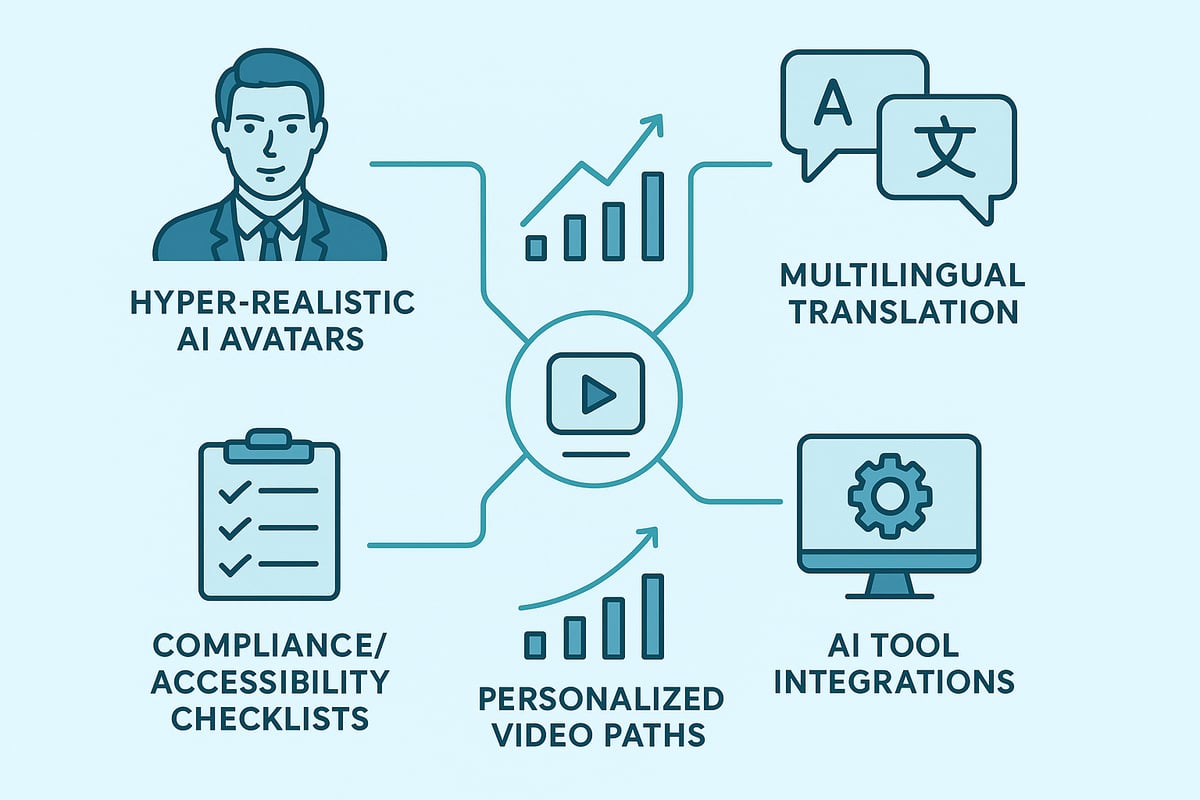
Hyper-realistic AI avatars are now a cornerstone for those looking to create videos with AI. Modern avatars mimic human expressions, gestures, and voices with uncanny accuracy. This innovation enables brands, influencers, and educators to build digital twins that engage audiences at scale.
Notably, Google Vids introduces AI avatars, pushing the technology further by allowing users to generate lifelike presenters in just minutes. While these tools offer unprecedented creative freedom, ethical use and transparency are essential. Authenticity, trust, and clear disclosure play a crucial role in audience acceptance.
AI-powered translation is redefining how we create videos with AI for global audiences. In 2026, instant dubbing, voice cloning, and subtitle generation in over 100 languages are standard. Marketers and educators can now reach new regions without hiring voice actors or translators.
For example, an e-learning platform can automatically translate a training video for dozens of markets, expanding its impact and inclusivity. According to Wyzowl, AI translation boosts video reach by 60 percent, making international growth more attainable for creators and brands.
Personalization is at the heart of how you create videos with AI that truly resonate. AI tailors each viewer’s experience by analyzing preferences, behaviors, and demographics. Dynamic content, interactive quizzes, clickable calls-to-action, and branching storylines are now possible with minimal manual effort.
This level of customization increases engagement and conversion rates. For instance, brands can deliver personalized video ads that address individual viewer needs, turning passive audiences into active participants and loyal customers.
When you create videos with AI, automated compliance and accessibility features become critical safeguards. AI tools now instantly check for copyright issues, flag inappropriate content, and ensure adherence to regulations like ADA and GDPR.
Creators benefit from automated closed captions, audio descriptions, and alt text, making content accessible to all viewers. This not only expands potential audiences but also protects brands from legal risks and enhances reputational trust.
Seamless integration is a game-changer for those who create videos with AI. Modern platforms connect with AI writing assistants, design suites, and analytics dashboards, supporting an end-to-end workflow.
Imagine using Jasper AI for scriptwriting, Canva AI for graphics, and real-time analytics to optimize performance—all in one streamlined process. These integrations empower creators to move faster, automate tedious tasks, and focus energy on high-impact creative decisions.
Unlocking the full potential of AI means more than just learning how to create videos with AI. If you want to turn your creativity into income, 2026 offers a wealth of monetization opportunities tailored for both newcomers and seasoned creators. Let’s break down the most profitable avenues, proven strategies, and essential tools for building a thriving AI video business.
The demand for AI video content is exploding across multiple profitable niches. If you create videos with AI, you can tap into opportunities like explainer videos, faceless YouTube automation, e-learning modules, and high-converting social ads.
Consider these in-demand categories:
Explainer & How-To Videos: Businesses and educators need clear, concise content.
Faceless YouTube Channels: Automate content for entertainment or information and scale fast.
E-Learning Courses: AI-generated lessons can be easily updated and localized.
Social Media Ads: Brands crave fresh, creative video ads for TikTok and Instagram.
Recent trends highlight the rise of “AI influencer” channels, where creators leverage avatars or synthesized voices to build massive audiences. Some YouTube creators are already earning $10k/month by automating their channels with AI.
Ready to scale your impact? When you create videos with AI, launching an agency or side hustle becomes far more attainable. AI drastically reduces production time, letting even solo entrepreneurs offer video services at scale.
You can choose between full automation or outsourcing tasks while focusing on high-value strategy. Many freelancers now offer AI video creation on platforms like Fiverr and Upwork, delivering quick turnarounds and competitive pricing.
Here’s a simple workflow:
Identify a niche with high demand
Use AI tools for script, visuals, and editing
Package and sell video services to clients
By focusing on repeatable business models, you can build a steady stream of clients and recurring revenue.
To truly profit when you create videos with AI, you must leverage the right platforms and revenue streams. The most popular choices include the YouTube Partner Program, TikTok Creator Fund, and brand sponsorships. Selling digital products, online courses, and memberships are also powerful ways to monetize your expertise.
Affiliate marketing is another smart move—review products, create tutorials, and earn commissions. For a step-by-step breakdown of these strategies, check out How to Make Money with AI Videos, which provides actionable insights and up-to-date methods for maximizing your AI video income.
Diversifying your income sources ensures stability and growth as the AI video landscape evolves.
While the urge to create videos with AI is strong, the market is getting crowded. Standing out requires more than just automation—it takes originality, strategic branding, and consistent quality.
Common challenges include:
Copyright and Originality: Always use licensed assets and unique scripts.
Quality Control: Review AI-generated content for errors or off-brand messaging.
Platform Guidelines: Stay updated on rules for monetized content.
Solutions? Invest in prompt engineering, use AI tools for compliance checks, and continually refine your creative process. Consistency and attention to detail will help you rise above competitors.
Whether you’re a beginner or a seasoned entrepreneur, AIMoneyTools is your go-to resource to create videos with AI and turn them into income. The platform offers detailed guides, tool reviews, and curated strategies for building multiple revenue streams.
You’ll find step-by-step tutorials for launching AI-powered YouTube channels, automating production, and scaling your audience. AIMoneyTools also provides free resources, a supportive community, and weekly tips to keep you ahead in the fast-changing world of AI video.
Ready to transform your passion into profit? Dive in, learn the latest tactics, and join a network of creators who are thriving with AI.
The pace of change in video production is accelerating, and those who create videos with AI are riding the crest of this new wave. In 2026, AI is not just a tool, but the engine powering visual storytelling, immersive experiences, and creative entrepreneurship. Let’s explore what’s next for AI video creation and how you can position yourself at the forefront.
Generative models are opening doors to storytelling that was unimaginable just a few years ago. As you create videos with AI, you gain the power to produce entire movies, interactive documentaries, and personalized narratives—often with minimal technical skill. AI-generated content now rivals traditional production in quality and speed. Human creativity is still vital, shaping prompts, directing narrative flow, and ensuring authenticity. The synergy between AI and creator is fueling a renaissance of digital storytelling, making even the boldest video concepts achievable for individuals and teams.
As more creators and brands create videos with AI, regulators are responding with new laws and guidelines. Issues like copyright, consent, and misinformation are front and center. Expect tighter transparency standards and content labeling requirements. Industry groups are collaborating to set best practices, ensuring ethical use of deepfakes and AI voices. According to Over half of ad buyers using generative AI, the widespread adoption of generative AI in video has accelerated these discussions. Being proactive about compliance and ethics will protect your reputation and open doors to brand partnerships.
Imagine being able to create videos with AI that adapt in real time to each viewer’s preferences, location, or purchase history. Hyper-personalization is transforming marketing, education, and entertainment. Personalized ads and learning modules are boosting engagement by up to 80 percent, according to recent industry reports. AI-driven analytics help you fine-tune content for different audiences, maximizing retention and ROI. The days of one-size-fits-all video are fading, replaced by dynamic, on-demand experiences that truly resonate with individuals around the globe.
To create videos with AI for the metaverse means stepping into a world where 3D, spatial, and interactive content are the norm. AI now enables seamless integration with AR and VR platforms, allowing creators to build immersive events, virtual showrooms, and interactive tutorials. Open-source frameworks like UniVA: Open-source video generalist framework are driving innovation, supporting advanced editing, segmentation, and real-time generation. The result is a new frontier for audience engagement, where video is no longer just watched — it’s experienced.
Success in 2026 will belong to those who create videos with AI and continually evolve their skill set. New roles are emerging, such as AI video strategists, prompt engineers, and AI content auditors. Upskilling in prompt engineering, ethical AI, and data analytics is key. Many creators are leveraging online communities and open-source resources to stay current with the latest tools and frameworks. By embracing continuous learning, you can future-proof your career and lead the charge in the rapidly changing world of AI-powered video production.
After diving into the world of AI video creation and exploring all the ways you can save time, boost your productivity, and even build new income streams, you might be wondering how to actually put these ideas into practice. If you’re excited to start your own AI-powered side hustle or just want a jumpstart on monetizing your skills, you won’t want to miss what’s coming next. We’re about to drop something game-changing—the AI Side Hustle Toolkit drop coming soon —packed with curated tools, guides, and strategies to help you turn AI videos into real results. Stay tuned and get ready to level up!