
What is AEO (Answer Engine Optimization)? Complete Guide for 2026
AEO is the practice of structuring your content so AI assistants like ChatGPT, Perplexity, and Google's AI Overviews cite your site as a trusted answer source. Here's exactly how to do it.
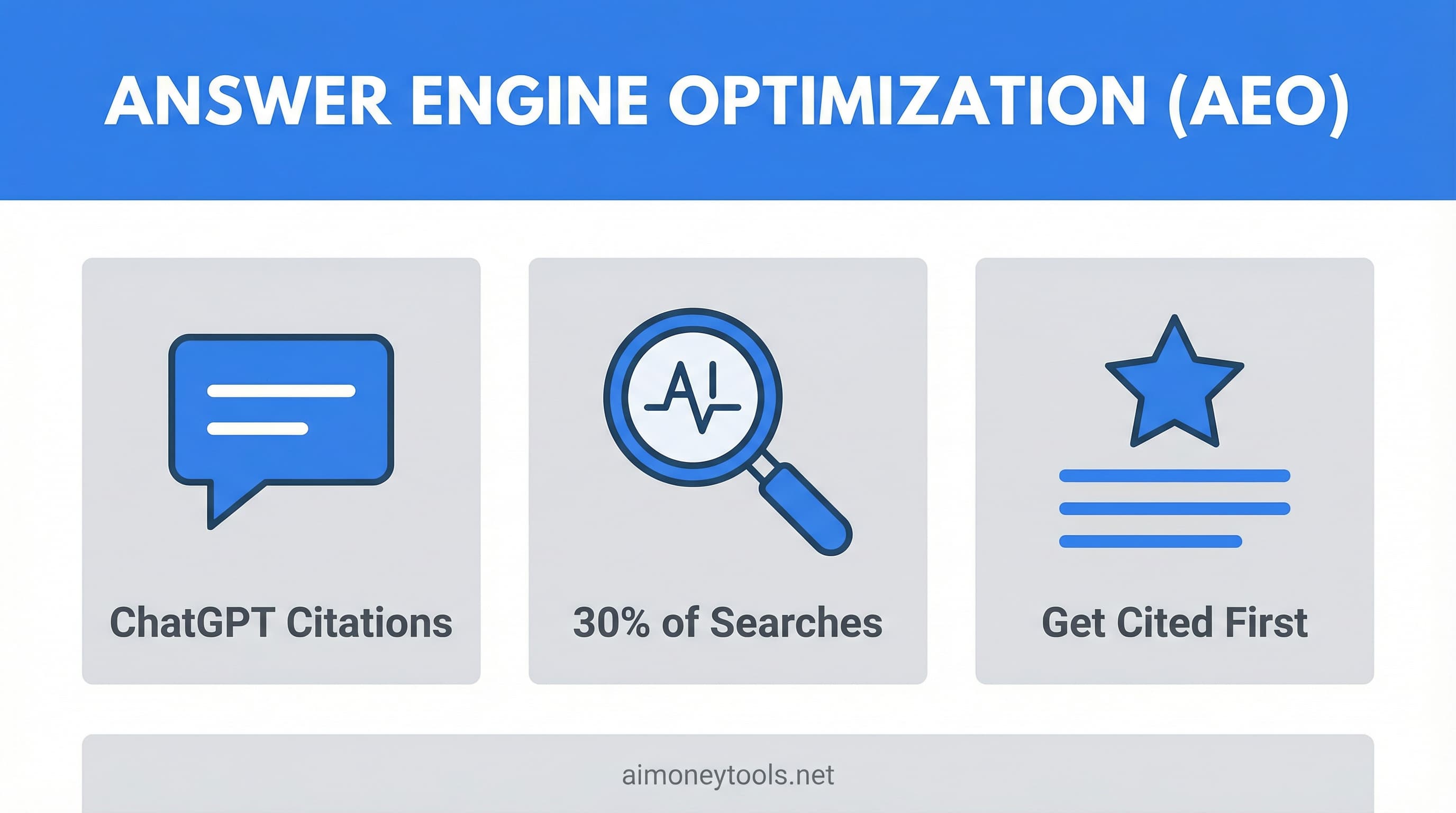
Search behavior shifted faster in 2025 than it did in the previous five years combined. Perplexity now serves millions of AI-generated answers daily. ChatGPT handles over a billion search-style queries per month. Google's AI Overviews appear on roughly 30% of US searches. And yet most content creators are still optimizing for blue links.
Answer Engine Optimization (AEO) is the practice of structuring your content so AI assistants — ChatGPT, Perplexity, Google's AI Overview, Gemini — can confidently cite it when someone asks a relevant question. If you already have solid SEO basics in place, AEO is the layer on top that gets you into AI answers, not just search result pages.
What Does AEO Actually Mean?
An "answer engine" is any system that responds to a question with a direct synthesized answer rather than a list of links. Google's AI Overviews, Perplexity, ChatGPT with Browse, and Bing Copilot all qualify.
AEO is the process of making your content the most citable, most structurally readable, and most authoritative answer to a specific question. The goal isn't a click — it's a citation. When Perplexity answers "what is AEO," you want your page to appear as the cited source.
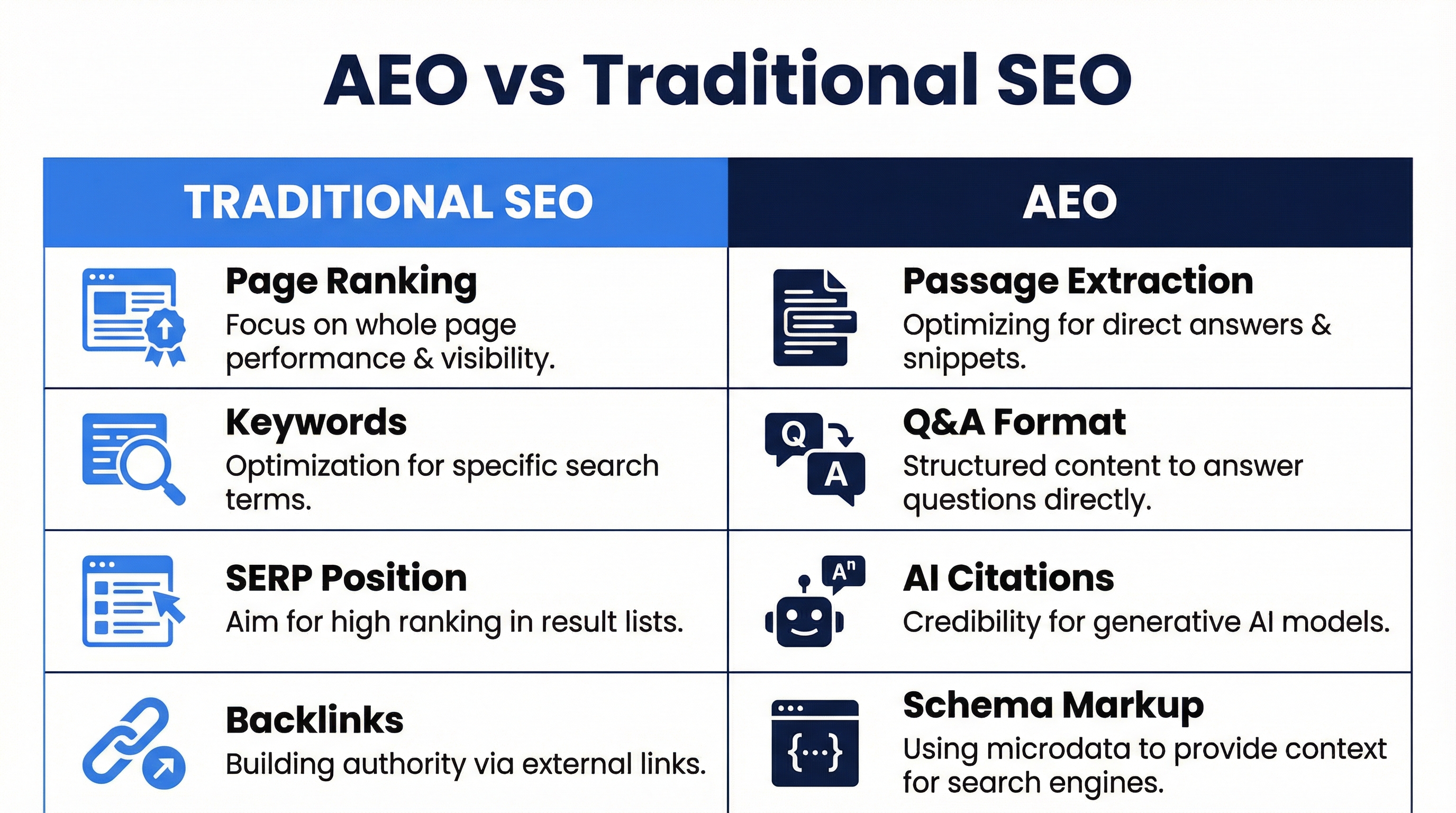
The key difference from traditional SEO: search engines ranked pages based on signals like backlinks and keyword relevance. Answer engines rank passages and sentences based on how well they answer a question. You're optimizing for extraction, not just discovery.
Why AEO Matters Right Now
Three forces are driving AEO urgency in 2026:
1. AI Overviews are eating click-throughs. Studies from early 2026 show that pages appearing as cited sources in AI Overviews get more brand exposure but fewer direct clicks. The sites that win are those that are cited — zero-click traffic still builds trust and authority.
2. Perplexity and ChatGPT are training on fresh content. Both systems crawl the web regularly. Well-structured, answer-forward content gets picked up faster than walls of prose. A clear "What is X?" definition at the top of a page is exactly what these crawlers index preferentially.
3. "People Also Ask" has doubled in appearance. Google's PAA boxes now appear on over 70% of informational searches (Semrush, 2025). Every PAA box is an AEO opportunity — each question is a content brief.
For a site like this one, which covers AI tools and side hustles, AEO matters even more because the audience is exactly who's using AI assistants to research their next tool or income stream. Being cited in those answers is free recurring traffic.
AEO vs SEO: How They Differ
| Factor | Traditional SEO | AEO |
|---|---|---|
| Optimization target | Page ranking | Passage extraction |
| Content unit | Full article | Individual Q&A pairs |
| Success metric | SERP position | AI citation frequency |
| Structure tool | Keywords + links | H2/H3 + declarative answers |
| Schema priority | Article, Breadcrumb | FAQ, HowTo, QAPage |
| Internal links | Drive crawl + authority | Still important |
AEO and SEO are not competing strategies — they're layered. A well-structured AEO page also performs better in traditional search because it's clearer, better organized, and easier to crawl. The investments overlap heavily.
5 Practical AEO Tactics That Actually Work
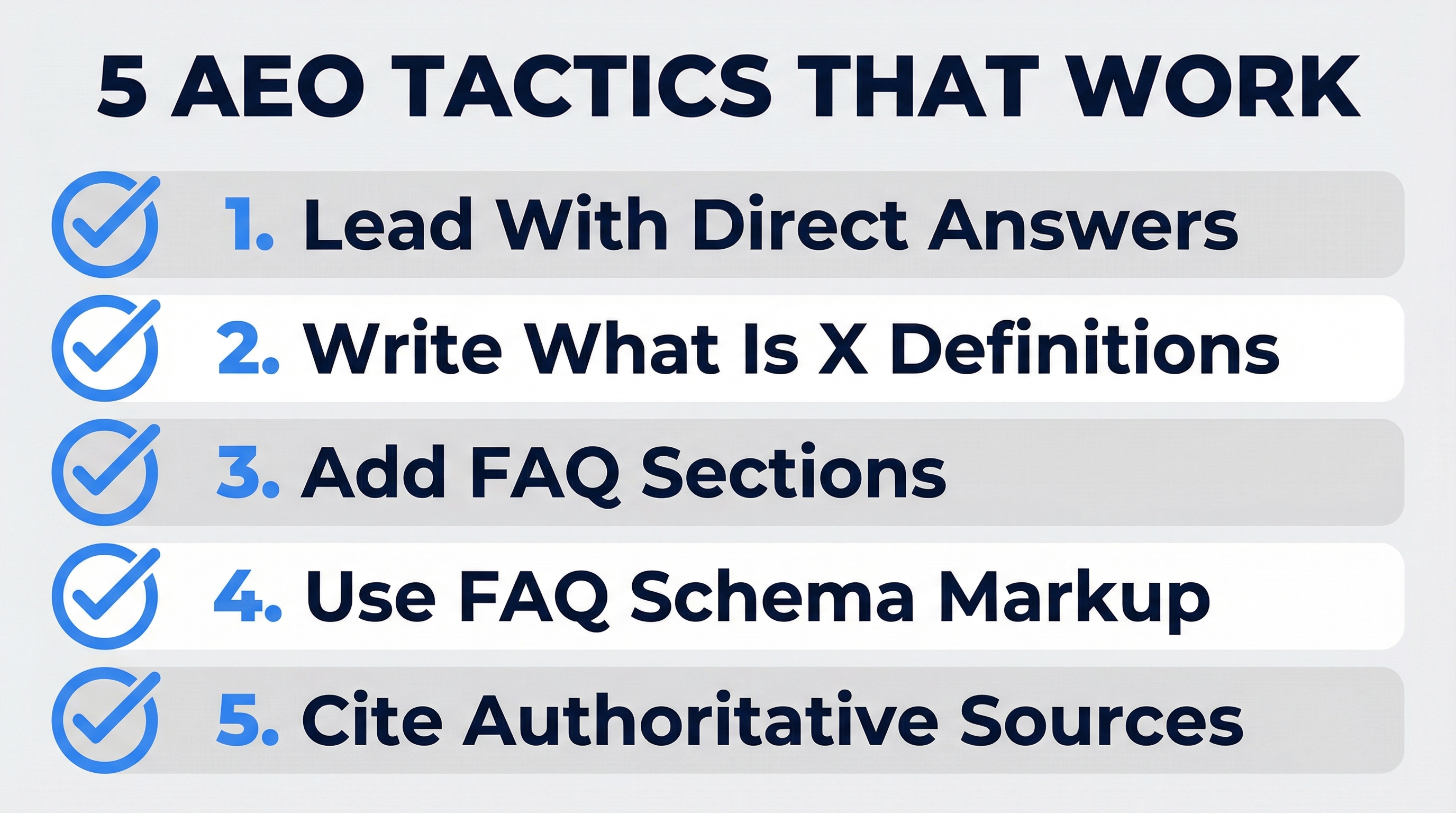
1. Lead Every Section With a Direct Answer
AI systems extract the first sentence of a section to use as an answer. If you bury the answer in paragraph three after two sentences of context, you lose the extraction.
Bad: "When thinking about what AEO means and how it came to be, it's worth considering the evolution of search..." Good: "AEO (Answer Engine Optimization) is the practice of formatting content so AI assistants can extract and cite it directly."
This single change — leading with the answer — increases your AI citation probability more than any other tactic.
2. Write Explicit "What is X" Sections
AI crawlers preferentially index pages that contain a clear definition block. For every major term or concept in your content, include a one or two sentence definition formatted as a direct response to the implied question.
Pattern: ## What is [term]? → answer in the first sentence, under 60 words, factual and complete.
3. Add a FAQ Section With Real Questions
FAQ sections are the highest-leverage AEO format. Each question should mirror what a real person types into ChatGPT or Perplexity. Use Google's "People Also Ask" results to find those exact questions, then answer each one in 40–80 words.
Keep answers self-contained. Don't write "as mentioned above" — AI systems extract FAQ items independently.
4. Implement FAQ Schema Markup
Schema markup tells search engines and AI crawlers that a section is structured Q&A data. If you're on Next.js (as many modern blogs are), add application/ld+json schema to your article pages.
A basic FAQ schema looks like this:
{
  "@context": "https://schema.org",
  "@type": "FAQPage",
  "mainEntity": [{
    "@type": "Question",
    "name": "What is AEO?",
    "acceptedAnswer": {
      "@type": "Answer",
      "text": "AEO (Answer Engine Optimization) is the practice of structuring content so AI assistants cite it as a trusted answer source."
    }
  }]
}
Perplexity and Google's AI Overview both read this markup.
5. Cite Authoritative Sources
AI systems practice what researchers call "borrowed authority" — they're more likely to cite a page that itself cites credible sources (Semrush, Google Search Central, peer-reviewed research). Every factual claim you make should link to a primary source: official documentation, industry reports, or well-known publications.
This isn't just good writing practice. It's a measurable signal that answer engines use to determine citation worthiness.
AEO vs GEO: Separate Things, Same Goal
You may have seen GEO (Generative Engine Optimization) mentioned alongside AEO. The two are related but distinct:
- AEO focuses on structuring individual answers so AI assistants extract and cite them — it's about passage-level optimization.
- GEO focuses on making your entire site's content suitable for generative AI systems — including topical coverage, entity relationships, and how AI models understand your brand. (Read our GEO guide for a full breakdown.)
Think of it this way: AEO gets you cited on a specific question. GEO makes your site a recognized authority in a topic area. Both matter. Most content teams should start with AEO tactics (faster wins) and build toward GEO coverage (longer-term authority).
If you're building an AI-powered business or monetizing with tools like AI chatbots for your service business or running AI-based side hustles, ranking in AI answers is a direct revenue lever — not just a vanity metric.
Key Takeaways
- AEO = optimizing for AI citation, not just search ranking. The goal is getting your content extracted and credited by ChatGPT, Perplexity, and Google's AI Overviews.
- Lead every section with a direct answer — AI systems pull the first sentence of each section.
- Write explicit "What is X" definitions for every key term in your content.
- FAQ sections with FAQ schema are the highest-leverage AEO format available today.
- AEO and SEO are complementary, not competing. AEO-structured pages also rank better in traditional search.
- Cite authoritative sources — AI systems use this as a credibility signal for citation selection.
Frequently Asked Questions
What is AEO in SEO? AEO (Answer Engine Optimization) is the practice of structuring content so AI-powered answer engines — like ChatGPT, Perplexity, and Google's AI Overviews — can extract and cite your content when answering user questions. It's an evolution of traditional SEO focused on passage-level optimization rather than full-page ranking.
How is AEO different from SEO? Traditional SEO optimizes for page-level rankings in search results. AEO optimizes for passage-level extraction by AI systems. In practice, AEO requires clear Q&A structure, direct opening sentences, FAQ schema markup, and explicit definitions — tactics that overlap with SEO but serve a different primary mechanism.
What does an answer engine do? An answer engine generates a direct response to a user's question rather than returning a list of links. Examples include Perplexity, ChatGPT with web browsing, Microsoft Copilot, and Google's AI Overviews. They crawl the web, extract relevant passages, and synthesize an answer — citing sources when they do.
Is AEO the same as GEO? No. AEO focuses on individual answer extraction (getting cited for specific questions). GEO (Generative Engine Optimization) focuses on making your whole content ecosystem legible to AI training and retrieval systems. AEO is tactical; GEO is strategic. Both are worth pursuing.
How do I know if my content is being cited by AI? Search your target questions directly in ChatGPT, Perplexity, and Google's AI Overview (US, signed in). Check whether your domain appears in cited sources. You can also monitor this in Google Search Console under "Search Appearance → AI Overviews" if that feature is available in your GSC account.
Does AEO replace traditional keyword research? No — AEO adds a layer on top of keyword research, not a replacement. You still need to target keywords people actually search. AEO then shapes how you write the content so AI systems can extract it. Think of keyword research as finding the right questions; AEO as writing the answers in the most extractable format.

Alex the Engineer
•Founder & AI ArchitectSenior software engineer turned AI Agency owner. I build massive, scalable AI workflows and share the exact blueprints, financial models, and code I use to generate automated revenue in 2026.
Related Articles
Best AI Tools for YouTube Automation in 2026 (That Actually Make Money)
The exact stack of AI tools behind every profitable faceless YouTube channel in 2026 — from script to upload — with real revenue math.
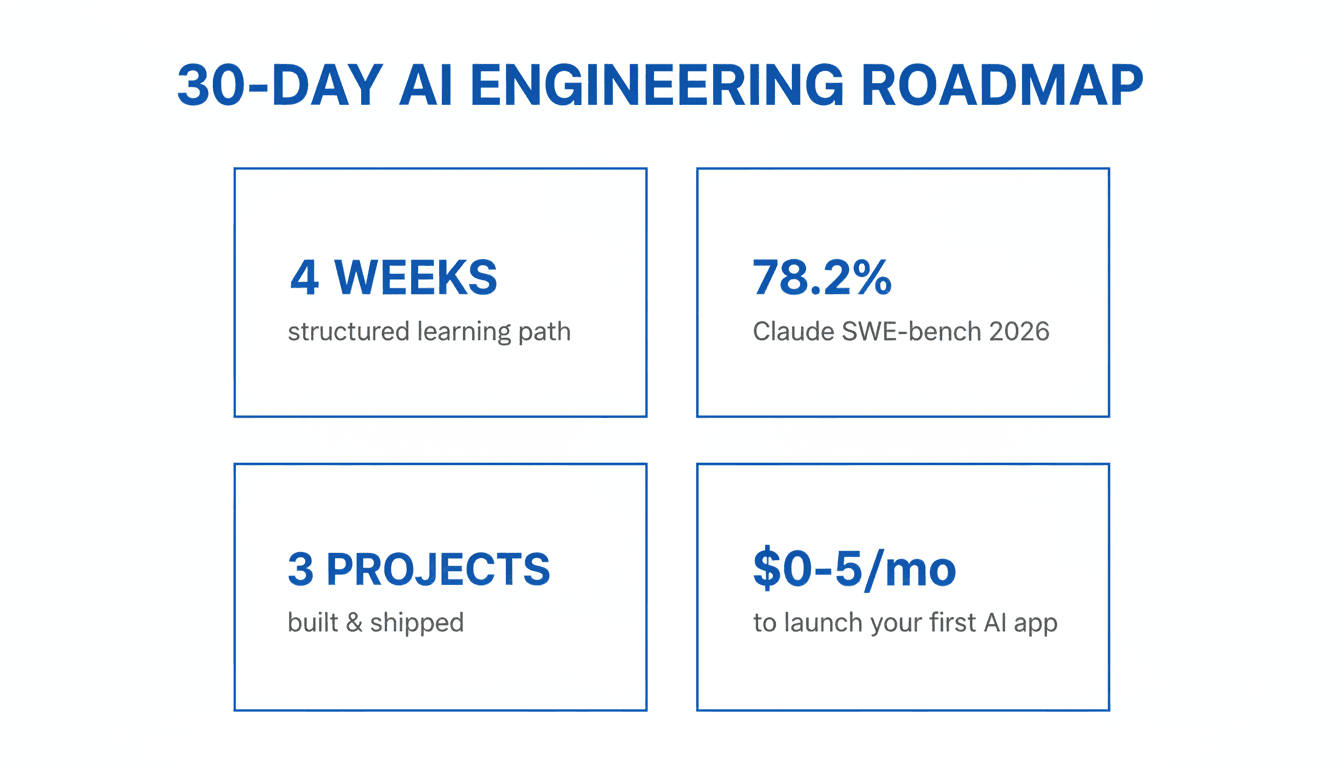
How to Master AI Engineering in 30 Days (2026 Roadmap)
The exact 30-day path from zero to building real AI products — RAG chatbots, agents, production systems. No fluff, no filler. Just what works in 2026.
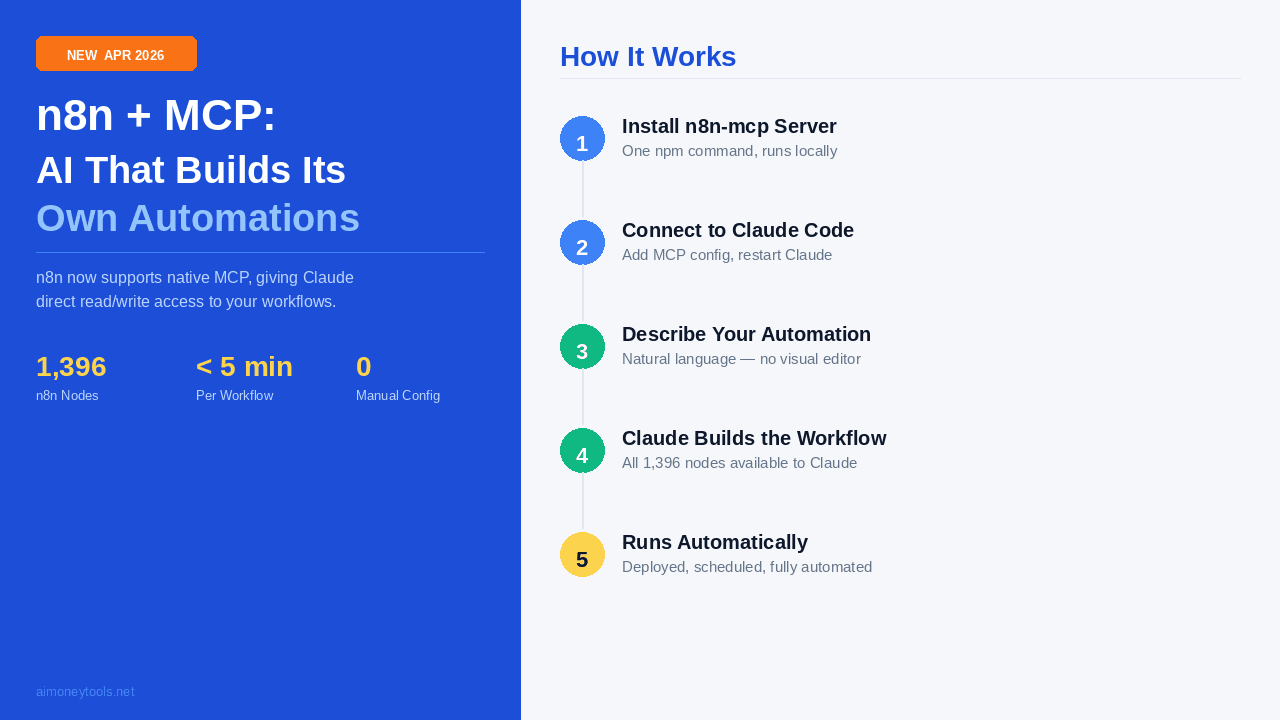
n8n MCP Integration: Let AI Build Your Automations (2026 Guide)
n8n now supports MCP natively. Here's what changed, how to set it up in 10 minutes, and why it matters for AI automation builders.